

FIRE-RESISTANT VS. FIRE-RATED: DECODING MGO BOARDS’ PERFORMANCE IN REAL BUILDING CODE TESTS
Many architects, contractors, and distributors use the terms fire-resistant and fire-rated interchangeably. However, in building codes and fire testing standards, these terms describe two different aspects of fire performance.
A board may be non-combustible but not provide a certified fire-resistance period. Likewise, a fire-rated assembly must demonstrate its ability to withstand fire exposure for a specified period of time.
In this article, we explain the difference and show how MgO boards perform in both real flame exposure and certified fire testing.
Fire-Resistant vs. Fire-Rated: What's the Difference?
Fire-Resistant refers to a material's ability to resist ignition, combustion, and flame spread.
Fire-Rated refers to the ability of a complete system or assembly to maintain integrity for a specified period such as 1 hour, 2 hours, or 3 hours under standardized fire testing conditions.
In simple terms, a material can be fire-resistant, while a wall or ceiling system built with that material can achieve a fire rating.
Real Flame Exposure Test: 1200°C Torch for 9 Minutes
To demonstrate the fire performance of our MgO board, we exposed the board surface to a torch flame reaching approximately 1200°C for 9 minutes.
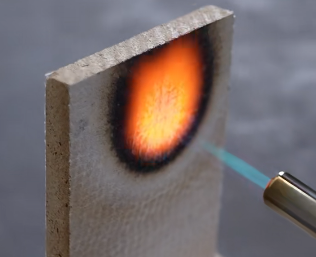
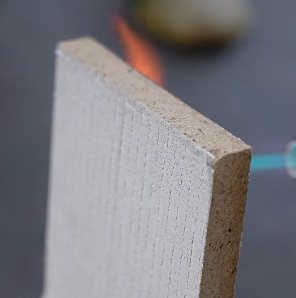
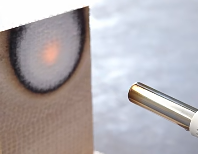
- Direct flame exposure approximately 1200°C
- Continuous testing duration: 9 minutes
- No sustained combustion observed
- No flame spread across the board surface
- Board maintained structural integrity after testing
A1 Classification: Understanding Non-Combustibility
One of the most important fire performance indicators for building materials is reaction-to-fire classification.
Our MgO board achieved an A1 classification, the highest category for non-combustible building materials.
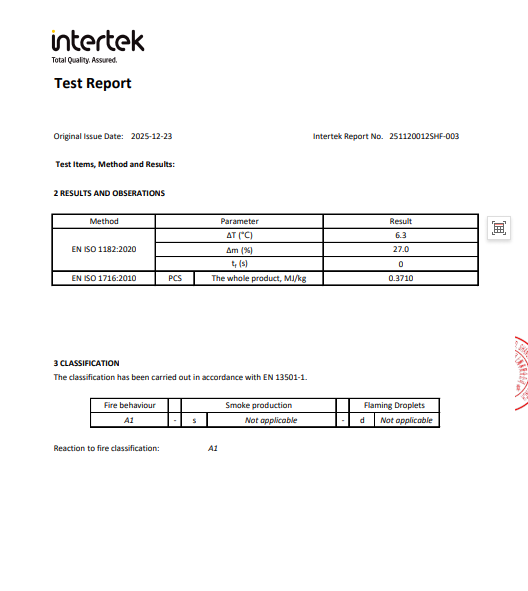
A1 classification indicates that the material contributes little or no fuel to a fire and demonstrates excellent non-combustibility characteristics.
3-Hour Fire Resistance Rating
While A1 classification evaluates material combustibility, fire-resistance testing evaluates how long a building assembly can withstand fire exposure.
Our tested wall system achieved up to 3 hours of fire resistance performance under standardized testing conditions.
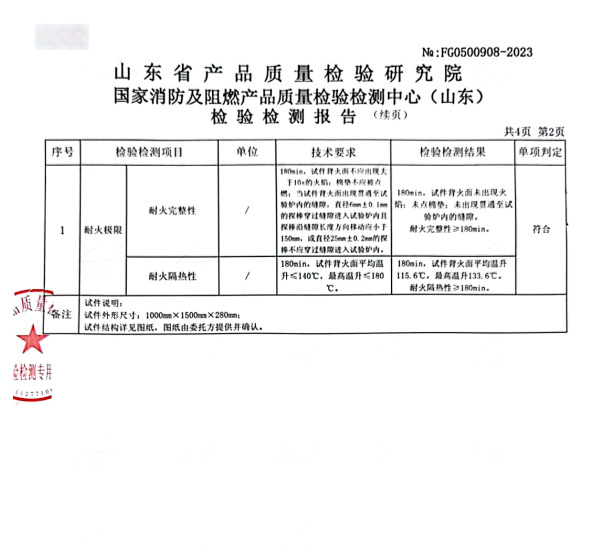
- A1 Non-Combustible Material Classification
- Up to 3-Hour Fire Resistance Rating
- Suitable for fire-rated wall systems
- Suitable for partitions and fire doors
- Supports building code compliance requirements
Why Building Codes Require Both
Modern building regulations focus on both fire prevention and occupant protection.
A material should resist ignition and flame spread, while a fire-rated assembly should maintain integrity long enough to support evacuation and emergency response.
This is why both A1 non-combustibility and fire-resistance ratings play important roles in building safety.
Conclusion
When evaluating fire performance, it is important to understand that fire-resistant and fire-rated are not the same thing.
- ✔ A1 Classification = Non-Combustible Material
- ✔ Fire Rating = Time-Based Fire Resistance
- ✔ 1200°C Torch Test Demonstrates Real Flame Resistance
- ✔ Up to 3-Hour Fire Rating Supports Fire-Safety Design
By combining non-combustibility and certified fire-resistance performance, MgO boards provide a reliable solution for fire-rated building systems.
Learn More About Our MgO Board Solutions
Discover our fire-rated, partition wall, and flooring board products for commercial and residential applications.
View Products